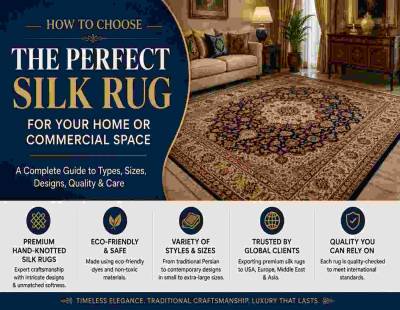

Woolen rugs are popular for modern interiors because they can combine natural warmth, softness, durability, texture, and timeless visual appeal. They can be used in homes as well as hotels, offices, lounges, and other commercial spaces where both appearance and comfort matter.
However, choosing a wool rug should involve more than looking at its color or pattern. The type of wool, rug construction, size, traffic level, maintenance requirements, and overall interior design should all be considered.
Woolen rugs are made using wool fibers, a natural material known for its softness, resilience, warmth, and distinctive texture.
Wool can provide a naturally rich appearance that works well with both traditional and contemporary interiors.
Depending on the manufacturing technique, wool rugs can have different:
This makes wool suitable for a wide range of decorative and functional applications.
Woolen rugs can make residential interiors feel warmer, more comfortable, and visually complete.
They can be used to define different areas within a room while adding texture and color.
Common residential applications include:
A carefully selected rug can also help connect furniture, flooring, curtains, and decorative elements into one coordinated interior design.
Yes, quality wool rugs can provide good durability because wool fibers have natural resilience and can recover from everyday compression.
However, durability depends on several factors, including:
A rug intended for a busy hallway may require different specifications from one used as a decorative piece in a bedroom.
The best approach is to match the rug construction with the expected level of use.
Yes, wool naturally provides warmth and a soft feel, making wool rugs particularly suitable for comfortable residential and hospitality interiors.
A wool rug can make a room feel more inviting, especially when used in:
The thickness and pile of the rug can also influence how it feels underfoot.
Yes, wool rugs can work well in modern interiors because they are available in contemporary colors, patterns, textures, and designs.
A modern wool rug does not necessarily have to feature traditional motifs.
Designers can choose:
The right design can add warmth to a minimalist space without making the room appear visually crowded.
Yes, wool is also well suited to traditional interiors because it can be used to create detailed patterns and classic decorative designs.
Traditional wool rugs may feature:
These styles can complement classic furniture, wooden flooring, traditional décor, and luxury interiors.
Woolen rugs are available in many designs, allowing buyers to choose options according to the style and purpose of their interior.
Popular design directions include:
The design should complement the existing interior instead of being selected independently from the rest of the room.
The choice depends on your priorities for craftsmanship, design, budget, production time, and intended application.
Hand-knotted wool rugs are created through an individual knotting process and are often valued for their craftsmanship and detailed construction.
Hand-tufted rugs are produced using a tufting technique that allows designers to create different patterns and textures.
When comparing the two, consider:
Both can be suitable for different interior projects.
Hand-knotted wool rugs are valued for their detailed craftsmanship, traditional construction, and ability to support intricate designs.
Each rug can involve significant manual work, depending on its size and complexity.
They can be particularly suitable for:
A hand-knotted rug can also become a major decorative element within a room.
Hand-tufted wool rugs offer flexibility in creating different patterns, textures, and shapes while providing the natural qualities of wool.
They can be suitable for:
The technique can provide designers with considerable freedom when developing custom patterns and visual concepts.
Yes, woolen rugs can be suitable for hotels when the rug construction and material are selected according to the specific area and traffic level.
Hotels may use rugs in:
Each area has different requirements.
For example, a decorative rug in a luxury suite may have different specifications from a rug used in a busy hotel lobby.
Yes, wool rugs can be used in offices where comfort, design, and a premium appearance are important.
They can be particularly useful in:
For busy office environments, buyers should consider traffic, maintenance, furniture placement, and rug construction before making a selection.
Wool rugs can be suitable for some high-traffic areas, but the construction and quality should be selected according to the expected level of use.
Before choosing a wool rug for a busy space, consider:
A durable construction may be more appropriate for a commercial corridor than a delicate decorative rug.
Choose the rug size according to the room dimensions, furniture arrangement, and area you want to visually define.
For a living room, the rug can be positioned to connect the main seating arrangement.
For a bedroom, it may extend beyond the bed to create a comfortable area around it.
For a commercial interior, the rug size should correspond with:
Always measure the space before ordering a rug.
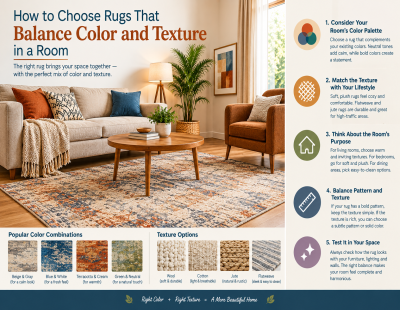
The color of a wool rug can influence the overall mood, balance, and visual size of a room.
Light colors can make a space feel brighter and more open, while darker tones can add depth and create a more intimate atmosphere.
When selecting color, consider:
A physical sample can be useful because the same color may appear different under different lighting conditions.
Texture is important because it influences both the appearance and tactile experience of the rug.
Wool naturally offers a distinctive texture, but the final feel also depends on the construction and pile.
Different textures can create different visual effects:
The texture should match the purpose and character of the space.
Yes, wool rugs are generally valued for their soft and comfortable feel, making them suitable for areas where people spend time standing, sitting, or walking.
This can make them particularly appealing for:
Comfort is one of the reasons wool continues to be used in residential and hospitality interiors.
Wool rugs require regular care, but proper maintenance can help preserve their appearance and condition for a longer period.
Basic maintenance can include:
The exact maintenance method depends on the rug's construction and finish.
Clean a wool rug using methods appropriate for wool and the specific rug construction rather than using harsh chemicals or excessive moisture.
For routine care:
If the rug is valuable or delicately constructed, professional cleaning may be preferable.
Yes, wool rugs can be placed under furniture, but the furniture arrangement and rug construction should be considered.
Heavy furniture can create pressure points over time.
To help protect the rug:
Proper placement can help maintain the appearance of the rug.
The natural texture, warmth, craftsmanship, and design possibilities of wool can make it suitable for luxury residential and hospitality interiors.
A premium wool rug can complement:
Handcrafted wool rugs can also become statement pieces rather than simply functional floor coverings.
Yes, custom wool rugs may be produced according to specific size, color, pattern, shape, and design requirements, depending on the manufacturer's capabilities.
Customization can be useful for:
Custom rugs allow designers to create pieces that fit specific floor plans and interior themes.
Before buying, check the wool quality, construction, size, design, density, finish, maintenance requirements, and suitability for the intended space.
Important questions include:
These questions can help buyers make a more informed decision.
Yes, a sample can help you evaluate the actual color, texture, thickness, and finish before placing a larger order.
This is particularly useful when buying for a complete interior project.
A sample can be compared with:
For commercial projects, sample approval can also help maintain consistency across multiple spaces.
Wool is a natural fiber, which is one reason it is often considered when buyers are looking for natural material options.
However, the overall environmental impact of a rug depends on factors such as:
Buyers interested in sustainability should ask suppliers about material sourcing and manufacturing practices rather than relying only on the word "wool."
Choose a wool rug that complements the furniture in terms of color, pattern, scale, and texture.
If the furniture has bold patterns, a simpler rug can provide balance.
If the furniture has a minimalist design, a patterned wool rug can add visual character.
Consider:
The goal should be to create visual harmony throughout the room.
Yes, contemporary wool rugs can complement modern furniture particularly well.
A modern interior can benefit from:
A carefully selected rug can soften an otherwise minimal space while maintaining a contemporary appearance.
Yes, woolen rugs can be particularly suitable for bedrooms because warmth and comfort are often important in this space.
A soft wool rug can be placed:
The size should be selected according to the bed and room dimensions.
Yes, living rooms are one of the most common applications for decorative wool rugs because they can help define the seating area while adding warmth and texture.
The rug can be coordinated with:
A properly sized rug can make the seating arrangement feel more connected.
A quality wool rug can provide long-term use when its construction is appropriate for the environment and it receives proper care.
Its lifespan depends on:
A rug designed for a low-traffic bedroom may naturally experience less wear than one installed in a busy commercial area.
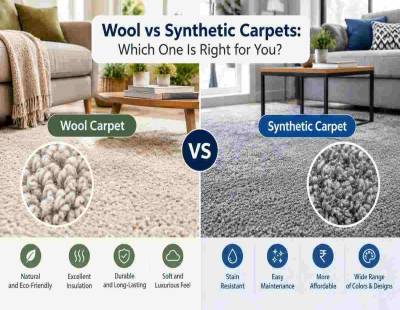
Wool is a natural fiber with distinctive texture and resilience, while synthetic rugs can offer different benefits depending on the specific fiber used.
The choice depends on priorities such as:
Instead of assuming one material is always better, compare the characteristics against your specific requirements.
Woolen rugs can be used across residential, hospitality, commercial, and luxury interior projects.
Common applications include:
For buyers looking for wool rugs for elegant home and commercial interiors, selecting the right construction, size, color, and design can help create a balanced and functional space.
A good wool rug should provide the right combination of material quality, craftsmanship, design, comfort, durability, and suitability for its intended space.
The initial price should not be the only consideration.
Also evaluate:
A well-selected rug can remain an important part of an interior for many years.
Woolen rugs can bring together natural material, comfort, warmth, durability, texture, and design versatility, making them suitable for many residential and commercial interiors.
From hand-knotted traditional rugs to contemporary hand-tufted designs, different constructions can serve different purposes.
The best wool rug depends on the space where it will be used. A bedroom may prioritize softness and comfort, while a hotel lobby may require a construction designed for heavier traffic.
Before purchasing, consider the wool quality, construction, size, color, pattern, traffic level, maintenance requirements, and overall interior design.
Requesting a sample and testing it with the existing décor can also make the selection process easier.
For projects requiring wool rugs for elegant home and commercial interiors, choosing the right combination of craftsmanship, design, material, and size can help create a space that feels comfortable, refined, and visually complete.