Choosing the right carpet is about more than picking a colour or pattern. The material you choose can affect how comfortable the carpet feels, how well it handles daily use, how easy it is to maintain, and how long it stays attractive. This is why many homeowners compare wool vs synthetic carpets before making a purchase.
Wool and synthetic carpets both have their own advantages. Wool is valued for its natural softness, resilience, warmth, and premium appearance, while synthetic carpets are often chosen for their affordability, practical performance, and easier maintenance. The best option ultimately depends on your room, lifestyle, budget, and expectations.
Let’s compare wool and synthetic carpets to help you make a more confident decision.
Wool carpet is made from natural wool fibre, usually sourced from sheep. Wool has been used for carpets and rugs for generations because of its comfortable feel and natural resilience.
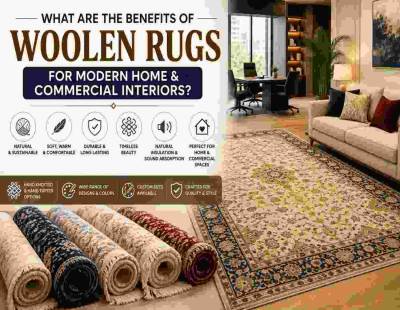
One of the major advantages of wool is its ability to recover from everyday compression. With proper care and suitable construction, quality wool can retain its appearance for many years. It also provides a warm and comfortable feel underfoot, making it especially appealing for bedrooms, living rooms, and other comfort-focused spaces.
Wool can also add a natural, sophisticated character to an interior. Its texture and colour variations can complement both traditional and contemporary décor.
Synthetic carpets are made from man-made fibres. Common types include nylon, polyester, and polypropylene, with each offering different performance characteristics.
Synthetic carpets have become popular because they provide a wide range of colours, textures, patterns, and price points. Many synthetic options are also designed to handle everyday spills, stains, and heavy household use.
For busy homes, rental properties, offices, play areas, or rooms where frequent cleaning is expected, a suitable synthetic carpet can be a practical choice.
The following factors can help you decide which carpet material is better suited to your needs.
| Feature | Wool Carpet | Synthetic Carpet |
|---|---|---|
| Material | Natural fibre | Man-made fibre |
| Comfort | Soft, warm and naturally textured | Varies by fibre and construction |
| Durability | Excellent with proper care | Good to excellent depending on fibre |
| Maintenance | Requires appropriate care | Generally easier to maintain |
| Stain Resistance | Naturally resistant to some soiling, but spills need prompt attention | Many options offer strong stain resistance |
| Appearance | Rich, natural and premium | Wide variety of colours and finishes |
| Price | Usually higher | Generally available across budget ranges |
| Best For | Premium, comfort-focused interiors | Busy spaces and value-focused buyers |
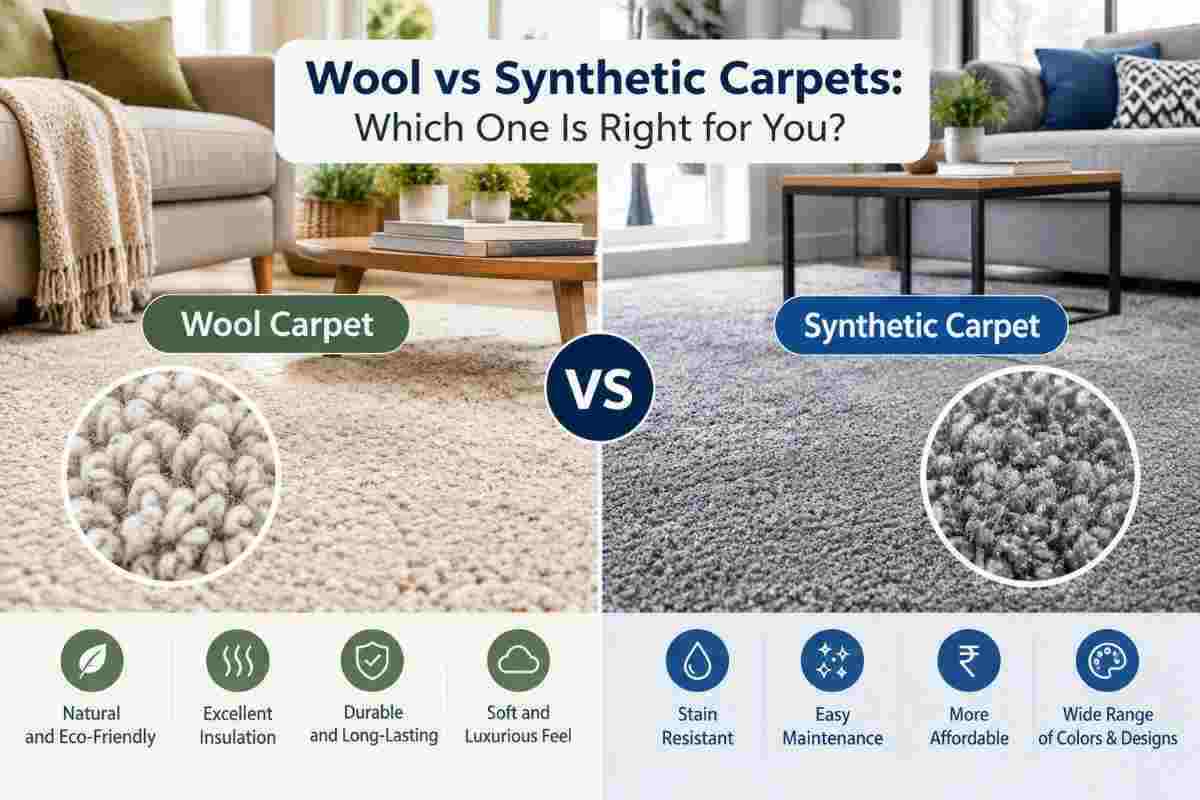
If comfort is your priority, wool is difficult to overlook. Wool fibres provide a naturally soft and warm feeling underfoot. They can make living rooms and bedrooms feel more comfortable and inviting.
Synthetic carpets can also be very soft, particularly polyester and other specially designed fibres. However, the feel can vary considerably depending on the fibre, pile, density, and construction.
Winner for natural comfort: Wool
Durability depends on more than fibre type. Carpet construction, pile density, installation quality, traffic levels, and maintenance all influence how long a carpet performs well.
Quality wool has naturally resilient fibres that can recover from compression. This makes it a strong option for interiors where long-term performance and appearance are important.
Synthetic carpets can also be highly durable. Nylon, for example, is known for strong resistance to wear and can be suitable for high-traffic areas. However, different synthetic fibres perform differently, so buyers should consider the specific product rather than treating all synthetics as identical.
Best choice for long-term premium performance: Quality wool
Maintenance is one area where synthetic carpets can have a practical advantage. Many synthetic carpets are designed to resist common household stains and are relatively straightforward to clean.
Wool needs more careful treatment. Harsh chemicals, excessive heat, or unsuitable cleaning methods can damage natural wool fibres. Regular vacuuming and appropriate professional cleaning can help preserve its appearance.
If your household experiences frequent spills or you simply want a carpet that is easier to manage, look closely at the maintenance requirements of the synthetic options available.
Best for easy everyday maintenance: Synthetic
Budget is often one of the biggest deciding factors.
Wool carpets generally have a higher initial cost because of the natural fibre and the quality associated with many wool products. However, a high-quality wool carpet can provide long-term value when properly selected and maintained.
Synthetic carpets are available across a much wider range of price points. This makes them attractive for buyers who need to cover larger areas while keeping the initial investment under control.
Instead of looking only at the purchase price, consider expected lifespan, maintenance requirements, installation costs, and how heavily the carpet will be used.
Best for a wider range of budgets: Synthetic
Wool has a distinctive natural appearance that works well in elegant, traditional, minimalist, and contemporary interiors. Its texture can add depth to a room without overpowering the overall design.
Synthetic carpets offer enormous design flexibility. You can find options in numerous colours, patterns, textures, and pile styles, making it easier to match specific interior themes.
If you want natural character, wool may be the better fit. If you want maximum design variety, synthetic carpets provide plenty of choices.
High-traffic spaces such as hallways, stairs, living rooms, offices, and commercial areas require careful carpet selection.
A high-quality wool carpet can perform well in busy areas because of its natural resilience. However, a durable synthetic fibre such as nylon can also be an excellent choice where frequent foot traffic is expected.
The important point is to evaluate the complete carpet specification, including fibre, construction, density, pile, backing, and intended application.
For families with children, practical maintenance can be particularly important. Synthetic carpets may be attractive because many products offer good resistance to everyday stains and are easier to clean.
Wool can still be a good family option when the focus is on quality, comfort, and long-term use, provided the household is prepared to follow appropriate care practices.
The right choice depends on the family's lifestyle rather than simply choosing one material as universally better.
There is no single winner for every home.
Choose wool if you:
Choose synthetic if you:
Before buying, consider these five questions:
A bedroom may need different performance characteristics than a hallway or living room.
If spills are common, stain resistance and cleaning requirements should be high on your checklist.
Compare the complete cost, including carpet, installation, underlay, and future maintenance.
Visit a showroom or request samples whenever possible. Touching the actual carpet can tell you more than photographs alone.
If you are looking for a long-term flooring investment, consider durability and lifecycle value rather than only the initial price.
The right carpet should combine appearance, comfort, quality, and suitability for the space where it will be installed. Rugsinindia offers carpet and rug solutions for different interior requirements, helping customers explore options based on style, material, and application.
Whether you prefer the natural character of wool or the practical benefits of synthetic fibres, selecting a carpet based on your actual needs can help you achieve a more comfortable and attractive interior.
So, which is better—wool or synthetic carpet?
The answer depends on what matters most to you. Wool is an excellent choice for buyers who value natural comfort, resilience, premium appearance, and long-term appeal. Synthetic carpets can be a practical choice for buyers who prioritize affordability, easy maintenance, design variety, and everyday convenience.
Rather than choosing based only on the material, consider the room, traffic level, cleaning requirements, budget, and expected lifespan. When these factors are matched correctly, both wool and synthetic carpets can be excellent additions to a home or commercial interior.